
Let me be brutally honest with you. When I told my friends I was planning a solo trip around Africa in 7 days, most of them laughed. One guy actually choked on his coffee. "Africa is not a country, Rachid. It's the second-largest continent on Earth. You can't just 'do it' in a week."
And yeah. He had a point.
But here's the thing — I did it anyway. And this article is the raw, unfiltered account of what happened. Not some polished influencer post where everything looks perfect. I mean the real stuff. The missed flights. The street food that wrecked my stomach. The moment I stood alone on a dune in Morocco watching the sun set and forgot every reason I was stressed back home.
I wrote this for anyone who's ever Googled "solo trip around Africa" while sitting at their desk on a Tuesday afternoon, wondering if they actually have the guts to pull it off. If that's you, keep reading. This one's for you. And if you're looking for other solo-friendly destinations, our U.S. National Parks guide and Albania travel guide are great starting points too.
The Honest Truth — Can You Actually Do Africa in 7 Days?
Short answer: No, you can't do ALL of Africa in 7 days. Anyone who tells you otherwise is selling something.
Long answer: You can have a life-changing solo trip across multiple African destinations in 7 days if you plan smart, move fast, and accept that you're tasting the continent, not devouring it.
I designed my trip around three countries that offer maximum variety with minimum travel time:
- Morocco — Marrakech (2 days). Chaotic, beautiful, sensory overload in the best way.
- Kenya — Nairobi & Amboseli (2 days). Wildlife, culture, and the safari experience everyone dreams about.
- South Africa — Cape Town (2 days). Scenery, food, and a city that feels like it belongs on another planet.
Plus 1 buffer day because flights never work out the way you plan. Trust me on this one.
"The best thing about traveling solo in Africa is that no one knows you. You can reinvent yourself every time you cross a border." — something I wrote in my journal at 3 AM in a Nairobi hostel
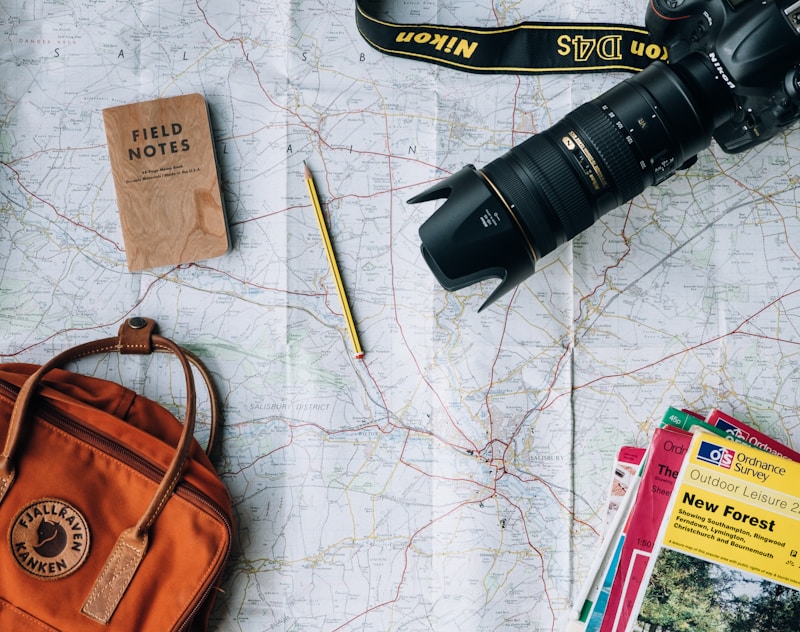
Day-by-Day Breakdown — Exactly What I Did
This is not some hypothetical itinerary. These are the notes I took on the go, edited for readability but kept raw where it matters.
Day 1: Landing in Marrakech — The Welcome Shock
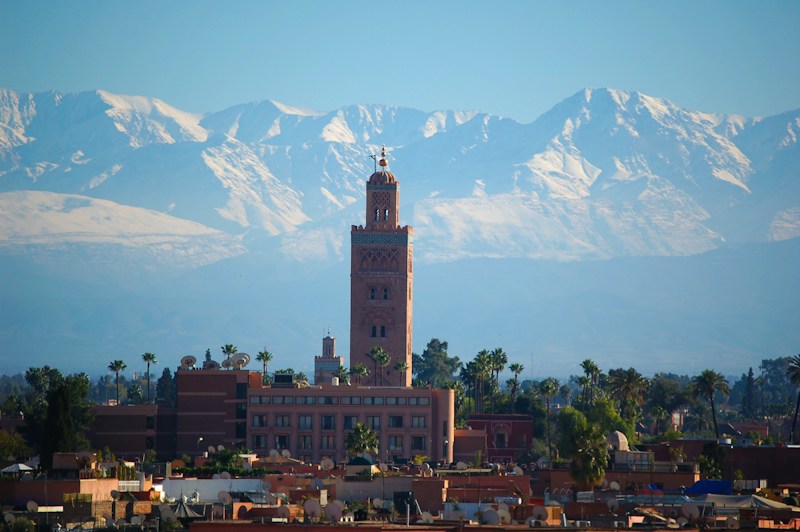
I landed at Marrakech Menara Airport around 10 AM. First thing that hits you: the heat. Second thing: the smell of spices, exhaust, and something sweet I still can't identify. It's overwhelming in a way that makes you feel alive immediately.
What I did: Dropped my bag at a riad in the Medina (Riad Les Jardins de la Médina — not cheap but worth it for the courtyard alone). Spent the afternoon getting lost in the souks. Ate street food for lunch — a tagine that cost about 3 euros and was better than anything I've had in a restaurant back home. If you're planning a similar trip, check out our complete guide to Moroccan cities for more inspiration.
What went wrong: I almost bought a "genuine Berber carpet" from a guy who definitely saw me coming. Friendly advice: if a shopkeeper in the souk recognizes your sneakers brand, you're paying tourist prices.
Cost so far: ~$180 (flight Casablanca-Marrakech excluded, accommodation $60, food $15, misc $5)
Day 2: Marrakech to the Desert Edge
I joined a small-group tour to Zagora — yeah, it's touristy, but as a solo traveler it's the easiest way to reach the desert without renting a car. The drive through the Atlas Mountains is stunning. I sat by the window and just stared for three hours straight.
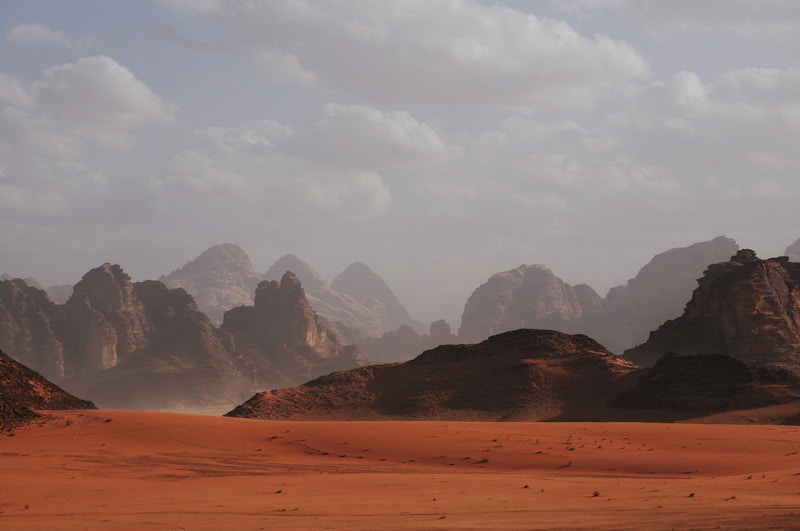
The desert camp at night? Silent. I mean, creepy, beautiful silent. No city noise. No notifications. Just stars. I stayed up until 2 AM talking to a German guy who quit his finance job to travel for a year. We argued about whether capitalism is dying. It was one of those conversations you only have when you're far from home and sleep-deprived.
Cost: ~$90 (tour, tips, dinner)
Day 3: Flight to Nairobi — The Hardest Day
This was the day I seriously questioned my life choices.
Woke up at 5 AM to catch a 7 AM flight from Marrakech to Casablanca, then Casablanca to Nairobi. Total travel time: about 12 hours with layovers. I was exhausted before I even arrived.
But then I landed in Nairobi, and something shifted. The energy is different here. More laid-back than Marrakech, but with an electric undercurrent. My Uber driver from the airport told me about his life, his kids, his failed business. By the time we reached the hostel, I felt like I had a friend.
Lesson learned: The people you meet in transit are half the experience. Don't wear headphones the whole time.
Cost: ~$350 (flights, visa $50, accommodation $25, food $10)
Day 4: Nairobi & Amboseli Safari
This was the day I'd been looking forward to the most. And honestly? It delivered.
I booked a one-day safari to Amboseli National Park through the hostel. Early pickup at 6 AM, which meant I was groggy and grumpy for the first hour. Then we saw the elephants.
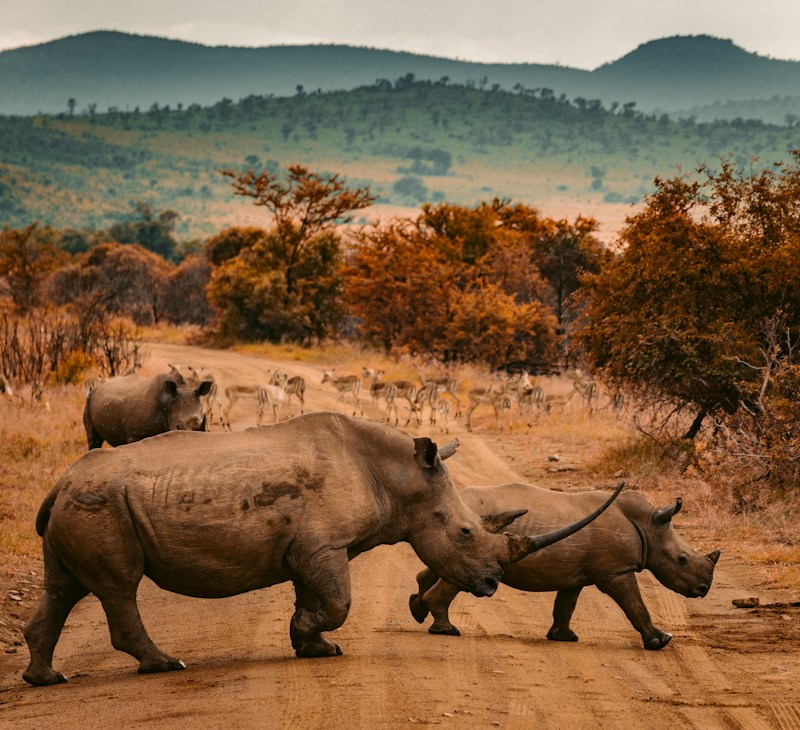
There's something about seeing an elephant in the wild — not in a zoo, not in a documentary — that rewires your brain. They're so much bigger than you expect. They move with this quiet deliberate grace that makes you feel like you're intruding on something sacred. I'm not a spiritual person, but I felt something out there.
We saw lions too. A whole pride sleeping under an acacia tree. The guide said they'd eaten that morning. Lucky them.
Cost: ~$150 (safari, park fees, lunch)
Day 5: Nairobi to Cape Town — The Long Haul
Another travel day, and honestly I was feeling it by now. Solo travel is amazing but exhausting. There's no one to share the mental load of navigating airports, figuring out transport, keeping track of your stuff. Every decision is yours. Every mistake is yours too.
Flew Kenya Airways from Nairobi to Cape Town direct. About 5 hours. I slept through most of it.
Arrived in Cape Town around 6 PM and the first thing I noticed was the wind. Cape Town in June is windy. Like, hold-onto-your-hat windy. But the view of Table Mountain as the sun set made up for every inconvenience.
Cost: ~$340 (flight, airport transfer, accommodation $35)
Day 6: Cape Town — Table Mountain & The Coast

Cape Town is arguably the most beautiful city I've ever seen. I know that's a bold statement, but I stand by it.
I took the cable car up Table Mountain in the morning (book ahead — the queue gets insane by 10 AM). The view from the top is one of those rare moments that looks exactly like the photos. Robben Island in the distance, the Twelve Apostles stretching along the coast, the city sprawling below.
In the afternoon I drove down to Chapman's Peak. If you're renting a car in Cape Town, do this drive. It's breathtaking. Pull over at every viewpoint. Take the photos. You'll thank me later. For more Cape Town tips, South Africa's official tourism site has updated info on road conditions and permits.
Cost: ~$80 (cable car $30, car rental for day $40, food $10)
Day 7: Bo-Kaap, Food, and the Flight Home
Last day. I was tired. Not gonna pretend otherwise.
I spent the morning in Bo-Kaap, the colorful Malay quarter. Took too many photos of brightly painted houses. Ate a bobotie that made me wonder why this dish isn't famous worldwide. Walked through the Company's Garden and sat on a bench watching people for an hour.
Then the airport. Then the long flight home. Then the reality check of regular life.
Cost: ~$60 (food, souvenirs, transport)
What It Actually Cost — Full Budget Breakdown
| Category | Amount (USD) |
|---|---|
| Flights (all legs) | $1,100 |
| Accommodation (6 nights) | $260 |
| Food & drinks | $150 |
| Activities (safari, cable car, etc.) | $280 |
| Transport (local) | $90 |
| Visas & fees | $100 |
| Misc (tips, souvenirs, SIM) | $70 |
| Total | $2,050 |
Could you do it cheaper? Yes. Stay in hostels (I was already mostly in budget places), eat more street food, book flights further in advance. I'd say $1,500 is the realistic floor for this itinerary. Use our currency converter to plan your budget in your local currency.
Could you spend more? Absolutely. First-class flights, luxury lodges, private safari guides — sky's the limit. But I honestly don't think you'd enjoy it more.
Solo Travel Safety in Africa — What No One Tells You
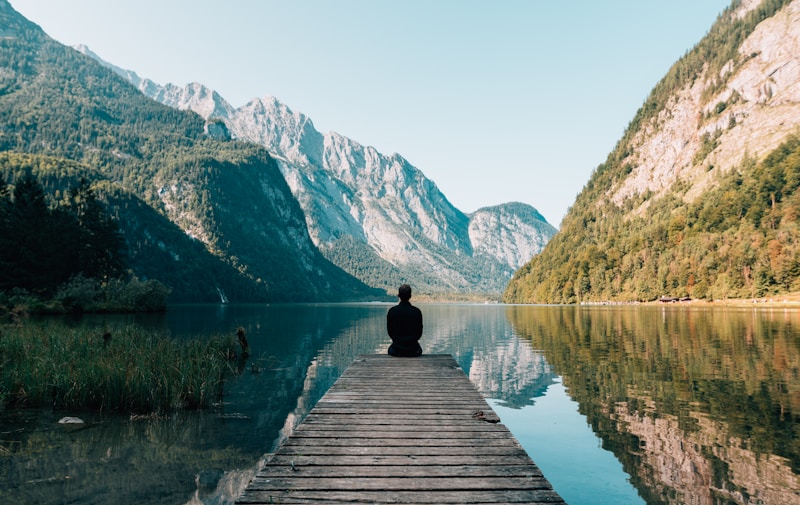
I'm going to say something controversial: Africa is not as dangerous as the news makes it seem.
Yes, there are places you should avoid. Yes, you need to be smart about where you go and what you do. But the same is true for New York, Paris, or Rio.
Here's what I actually did to stay safe:
- Shared my location with two people back home. I used WhatsApp Live Location when moving between cities.
- Never walked alone at night. Simple rule. Even in "safe" areas. Uber is cheap in most African cities. Use it.
- Kept copies of documents. Physical photocopy in my bag, scanned copy in my email, photo on my phone. Three layers.
- Learned a few phrases. "Salam Alaikum" in Morocco, "Jambo" in Kenya, "Howzit" in South Africa. It costs nothing and changes how locals treat you. For Morocco specifically, our Morocco bus travel guide has more local phrases and transport tips.
- Trusted my gut. If a situation felt off, I left. Didn't worry about being polite. Better rude than robbed.
"The most dangerous thing about solo travel is not the place you're visiting — it's the false confidence you build after three days of things going well." — something I wish someone had told me before Day 4
What I Packed (And What I Should Have Left Behind)
Packing for multiple climates in one week is a nightmare. Marrakech was hot. Nairobi was mild. Cape Town in June is genuinely cold and windy. Need help figuring out what to bring? Try our packing list generator — it actually adapts to your destination and season.
Things I was glad I packed:
- A lightweight down jacket — packs small, warm enough for Cape Town evenings
- Unlocked smartphone — bought a local SIM in each country (about $5-10 each)
- Reusable water bottle with filter — saved me money and plastic guilt
- Small padlock — for hostel lockers
- Earplugs and eye mask — essential when you're sharing dorms or sleeping on planes
Things I packed but didn't need:
- Three pairs of shoes (I wore one pair the whole time)
- A book (never opened it. Too tired. Too distracted.)
- Formal shirt (why did I even think I'd need this?)
Digital Tools That Saved This Trip
I'm not a digital nomad and I don't pretend to be one. But having the right tools on my phone made the difference between a trip that worked and one that fell apart.
Skyscanner + Google Flights. I checked both before booking every leg. Skyscanner found me a Casablanca-to-Nairobi flight for $220 that Google was pricing at $310. Always compare. The difference adds up fast when you're booking multiple flights.
WhatsApp. This is the primary communication tool across Africa. Not iMessage, not Telegram — WhatsApp. My hostel in Nairobi had a group chat for guests. My safari guide sent photos through it. I messaged my riad in Marrakech for late check-in. If you're traveling to Africa, install WhatsApp before you leave. You'll use it constantly.
Rome2Rio. I used this to figure out how to get between places that didn't have obvious connections. It's not always 100% accurate on pricing, but it shows you options you didn't know existed — like the bus from Marrakech to the desert that wasn't showing up on any tour site.
Maps.me. Offline maps that actually work. I downloaded maps for Marrakech, Nairobi, and Cape Town before I left. When my data ran out in the middle of the Medina in Marrakech, Maps.me got me back to my riad without needing internet. It's free. Download it before you go.
Splitwise. Not strictly necessary for solo travel, but I used it when I joined group activities and shared costs with other travelers. Kept everything clean. No awkward "you owe me $3" conversations.
Polar steps. I tracked my itinerary here and shared it with my family back home. They could see where I was without me having to send "still alive" texts every evening. Peace of mind for everyone involved, honestly.
One tool I wish I had: a proper VPN. Some websites and services were restricted or slower in certain countries. I didn't bother, but next time I'll subscribe to one before leaving.
The Mental Side of Solo Travel Nobody Talks About
We spend so much time talking about where to go, what to pack, how to stay safe — and almost no time talking about what it actually feels like to be alone in a foreign country for days straight.
Let me tell you what nobody prepared me for.
The loneliness hits at weird times. Not when you're exploring. Not when you're on a safari or hiking up Table Mountain. It hits at dinner. When you're sitting at a table for one and the waiter asks if you're waiting for someone and you say "no, just me" and you see the pity in their eyes. Or maybe that's just my interpretation. Either way, I ate three dinners alone and two of them felt heavy.
You talk to yourself more than you expect. Not in a crazy way. But when you're navigating a souk in Marrakech and you're mentally listing what you still need to find — yeah, you mutter under your breath. A lot.
Every small win feels massive. Successfully crossing a street in Nairobi traffic? I felt like a champion. Ordering food in Arabic and getting what I actually wanted? Pure victory. In regular life, these moments are invisible. On solo travel, you notice every single one.
You learn to enjoy your own company. This is the real gift. By Day 4, I stopped feeling awkward eating alone. By Day 6, I preferred it. There's something freeing about not needing to make conversation when you don't have the energy for it. You sit, you eat, you watch people, you think your thoughts. It's meditation disguised as lunch.
If you're worried about being lonely on a solo trip: you will be, sometimes. But that's not a bug. That's a feature. The discomfort is where the growth happens.
How to Book Flights Between African Countries (Without Losing Your Mind)
This was the hardest part of planning. Flying between African countries is not like flying in Europe or Southeast Asia. There are fewer routes, less competition, and the prices fluctuate wildly.
Here's what I learned:
Don't assume direct flights exist. Between Marrakech and Nairobi, there was no direct flight. I had to go through Casablanca. Always check connecting routes even if they seem inefficient. Sometimes the "long way" is the only way.
Regional airlines are your friends. Kenya Airways, Ethiopian Airlines, Royal Air Maroc, and South African Airways are the major players. Ethiopian in particular has excellent connectivity across the continent. I didn't fly with them this time but multiple travelers I met swore by them.
Book at least 3 weeks ahead. I booked most flights 2 weeks out and paid more than I should have. The price difference between 3 weeks and 2 weeks was about 30% on some routes. If you can plan further ahead, do it.
Check visa requirements before booking. This seems obvious but I almost booked a flight through Ethiopia without realizing I'd need a transit visa. Double-check every country you're transiting through, not just your destination.
Consider open-jaw tickets. Instead of a round trip to one city, I booked an open-jaw: flew into Marrakech, flew out of Cape Town. It was slightly more expensive than a simple round trip but saved me a full day of backtracking.
If you're booking multi-destination flights in Africa, give yourself at least 4-5 hours between connections. Airports in Africa are not as efficient as what you might be used to. I had a 3-hour layover in Casablanca and barely made my connection. Build in buffer time.
What I'd Do Differently Next Time
More time in Cape Town. Two days is not enough. I'd add at least one more day for the wine lands and Robben Island. The Constantia wine farms alone deserve a full afternoon.
Skip one destination. Truthfully? Three countries in 7 days is too many. I'd drop Kenya and do Morocco + South Africa over a full week. You'd have time to breathe instead of constantly packing and unpacking. Or alternatively, just spend the whole week in Morocco — it has enough variety to keep you busy for a month, let alone a week. Our Morocco 7-day itinerary is a great place to start planning.
Travel lighter. I brought a 45L backpack and it was too much. Next time: 30L max. You really don't need that many clothes. I wore the same 4 T-shirts the whole time and nobody noticed or cared. For more advice, check out our ultimate travel tips guide.
Book a rest day. Ideally in the middle. A day with no agenda. Just laundry, a café, and wandering. I didn't build one in and I was wrecked by Day 5. If I had a "zero day" in Cape Town before the final push, I'd have enjoyed the last two days a lot more.
Carry cash in local currency. Cards work in South Africa but in Morocco and Kenya, cash is king. I relied too much on my card and paid ATM fees that added up to about $40 over the week. Not a huge amount, but annoying.
Was It Worth It?
I've been sitting with this question for weeks, trying to figure out how to answer it honestly.
On paper, this trip was exhausting, expensive, and logistically insane. I spent more time in airports and Ubers than I did exploring. I barely scratched the surface of any of the places I visited. If you measure travel by "depth of experience," this trip fails.
But here's the thing.
I stood alone on a dune in the Sahara and felt the silence of a million stars. I watched elephants walk across the savanna with Kilimanjaro in the background. I ate dinner on a rooftop in Cape Town with Table Mountain lit up behind me. I had conversations with strangers that I still think about months later.
Would I have experienced any of that if I stayed home? No.
So was it worth it? Yes. Absolutely. But not because I "saw Africa in a week." Because I proved to myself that I could do something hard and uncomfortable and come out the other side with stories I'll tell for the rest of my life.
That's the real point of solo travel. Not the Instagram photos. The person you become when no one's watching.
Frequently Asked Questions
Enough for a taste, not enough for depth. If you want to see multiple countries, 7 days works. If you want to really experience one place, spend the full week there instead. I'd recommend at least 10-14 days for a first solo trip to Africa.
For first-timers: South Africa or Morocco. Both have well-established tourism infrastructure, plenty of hostels, English widely spoken (in South Africa at least), and are relatively easy to navigate solo.
I'm a man, so I can't speak from personal experience on this. But from what I observed and heard from women I met: South Africa and Morocco require extra caution. Stick to well-reviewed accommodations, avoid walking alone at night, dress conservatively in Morocco, and read recent reviews from other solo female travelers for specific hostels and areas.
It depends entirely on your passport. I hold a Moroccan passport, so my experience was different from what US or EU passport holders face. Always check current requirements — visa policies in Africa change frequently. Kenya offers eVisas. South Africa grants visa-free entry for many nationalities for up to 90 days.
Flights between major cities. Buses for shorter distances. Ride-sharing apps (Uber/Bolt) in cities. I don't recommend renting a car for a first solo trip — driving norms vary wildly and police checkpoints are common in some countries.
Budget at least $1,500-$2,500 for a week-long trip covering flights, accommodation, food, and activities. It can be done cheaper if you're willing to stay in dorms, eat local food, and book flights early. Unlike what some blogs claim, Africa is not uniformly cheap — some things (like flights between countries) can be surprisingly expensive.
Don't flash valuables in public. Don't walk around with your phone out in crowded areas. Don't book the cheapest accommodation without reading recent reviews. Don't agree to "free" tours that suddenly have hidden fees. Don't underestimate travel times — distances in Africa are long and infrastructure is inconsistent. And please, don't call it "Africaaa" with a dramatic emphasis. It's a continent of 54 countries, not a vibe.
Mix of both. Book flights and the first night's accommodation in advance. Everything else? Leave room for spontaneity. Some of my best experiences came from recommendations I got from other travelers at hostels. If you over-plan, you close yourself off from those opportunities. That said, popular safaris and tours do sell out — if there's something you absolutely must do, book it at least a week ahead.
Incredibly varied and almost always good. Moroccan tagines and couscous are world-class. Kenyan nyama choma (grilled meat) is simple but perfect. South African cuisine is a mashup of Malay, Dutch, and African influences — bobotie, bunny chow, biltong. Eating solo is easy: street food is everywhere, most restaurants have counter seating, and in hostels you'll often end up sharing meals with other travelers. I never felt awkward eating alone after the first meal.
Depends on the country. Cape Town has excellent co-working spaces and reliable internet. Marrakech has decent WiFi in most riads and cafes. Nairobi is hit or miss — my hostel had good internet but I heard stories of places where it drops constantly. If you need to work, bring a portable hotspot or check coworkingmap.org before you book accommodation. Don't expect to video call reliably from desert camps or rural areas.
Stay in hostels with common areas. Join group tours (even the touristy ones). Use apps like Meetup or Couchsurfing events. Sit at bar counters instead of tables. Say yes to invitations that feel safe. I met my favorite people on this trip by simply sitting in a hostel common room and asking "anyone tried the street food around here?" That one question started conversations that turned into shared dinners, travel tips, and one friendship I genuinely think will last.
Final Word — Should You Do It?
Look, I'm not going to tell you to quit your job and backpack across Africa forever. That's not realistic for most people.
But if you have a week of vacation time, a bit of savings, and the nagging feeling that you're stuck in a routine that doesn't challenge you anymore — then yes. Book the flight. Pick a starting point. Figure out the rest as you go.
I planned this trip in about two weeks. I made mistakes. I spent too much on some things and too little on others. I was tired, lost, and overwhelmed at least once per day.
And I'd do it again tomorrow.
Because the version of me that stepped off that plane back home is not the same person who left. And honestly? I like him more.
If you have questions about planning your own solo trip — drop them in the comments below, or reach out on Instagram @mortraveling. I reply to every message. Safe travels.


