
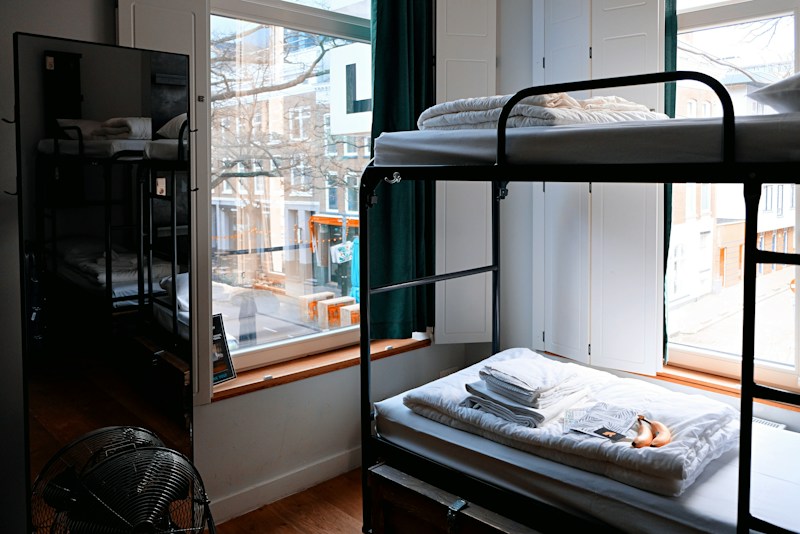
I've stayed in over 60 hostels across 22 countries. And I'm here to tell you something most travel bloggers won't: hostels are not always the magical social paradise Instagram makes them out to be.
Sometimes they're exactly that — a colorful common room where you meet your new best friend, share a bottle of wine, and stay up until 3 AM trading travel stories. Other times they're a dirty mattress in a room where someone is snoring like a chainsaw while you lie awake wondering if the guy above you just stole your phone charger.
This article is not a "10 Reasons Why Hostels Are Amazing" fluff piece. It's the truth. The good, the bad, and the "why is there a half-eaten sandwich under my bed." I wrote this for anyone who's considering their first hostel stay and wants to know what they're actually signing up for.
The Hostel Myth vs. The Hostel Reality
Let me start by clearing up the biggest lie in travel content: that hostels are always fun, always cheap, and always full of people who want to be your friend.
The myth: You walk into a hostel, drop your bag, and immediately meet a group of cool travelers who adopt you into their squad.
The reality: Sometimes you walk into a hostel, drop your bag, and spend the next two hours scrolling your phone in the common room because everyone else has already formed their cliques. It happens. It's normal. It doesn't mean you're doing solo travel wrong.
The myth: Hostels save you so much money that you'll never understand why people pay for hotels.
The reality: A decent hostel in a major city now costs $30-50 per night. A budget hotel on Booking.com is often $60-80. The difference is smaller than you think, especially once you factor in that hostels rarely include breakfast, earplugs are an extra purchase, and you'll probably end up buying more coffee because you didn't sleep well.
"The first time I stayed in a hostel I was 24 and terrified. By the end of that trip I had cried twice — once because I missed my family, and once because I left my new friends in Barcelona. Hostels will make you feel both extremes." — something I wrote in my journal after my first solo trip
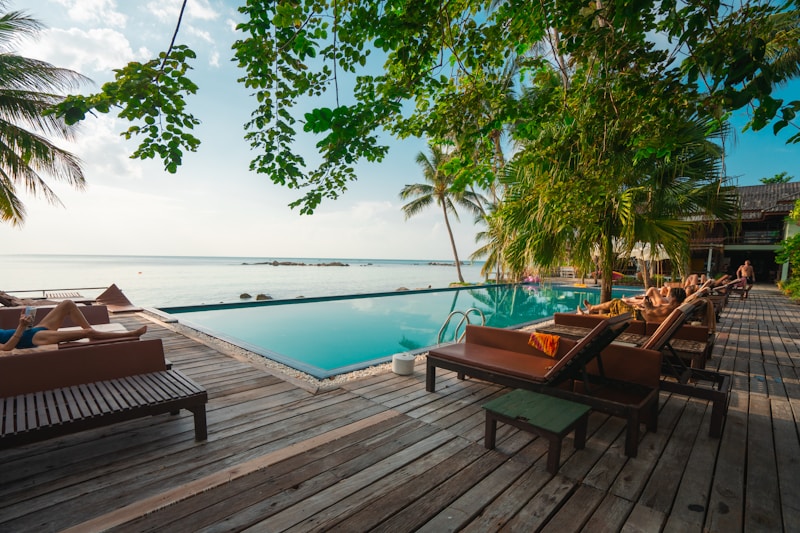
What Nobody Prepares You For
The Sleep Situation Is a Gamble
I don't care how good your earplugs are. There will be nights when you cannot sleep. Someone will come in at 2 AM drunk and turn on the main light. Someone else will start packing at 5 AM for a 6 AM flight, rustling plastic bags like it's their job. The person in the bunk above you will toss so aggressively that the entire frame shakes.
This is not an occasional thing. This is the default hostel experience. If you're a light sleeper, hostels will test your patience in ways you didn't know you had.
What I learned: Always bring two sets of earplugs (you will lose one), a quality sleep mask (the free ones from airlines are too thin), and accept that some nights you just won't sleep well. Plan zero-important activities the morning after check-in — give yourself a buffer.
Hostel Showers Are a Sport
You will develop skills you never knew you needed. The art of showering while keeping your towel dry. The dance of putting on pants without touching the wet floor. The strategic timing to avoid the morning rush when all 12 people in your dorm need the bathroom at the same time.
Some hostels have amazing showers — private, clean, hot water that lasts. Others have a lukewarm trickle that stops every 30 seconds unless you hold the button. Flip-flops are non-negotiable. I made that mistake once. Once.
Theft Is Rare but Anxiety Is Common
In over 60 hostel stays, I've had exactly one thing stolen: a phone charger. Nothing valuable. But I've spent probably 200 hours feeling vaguely anxious about my stuff. Even hostels with lockers make you nervous — is my lock good enough? Did I close it properly? Is that guy looking at my bag?
Most hostels are safe. Most travelers are honest. But your brain doesn't know that at 1 AM when you hear footsteps in the dark. The anxiety is real, and it's part of the experience.
What I recommend: Bring a small padlock (not a combination lock — they can be picked), use the locker even for things you don't think are valuable, and keep your passport and phone on your person at night, not in the locker.
The Different Types of Hostels (and How to Spot Them)
Not all hostels are created equal. After 60 stays, I've categorized them into four distinct types. Knowing which one you're booking into will save you a lot of disappointment.
The Party Hostel. These are loud, alcohol-fueled, and designed for people who want to drink and socialize until 4 AM. Think "spring break but every night." They're great if you're in your early 20s and want to meet people fast. They're terrible if you want sleep, peace, or any kind of routine. Signs you're booking a party hostel: the photos show people holding drinks, the description mentions "pub crawls" and "bar," and the reviews use words like "epic" and "crazy."
The Social but Chill Hostel. This is the sweet spot. Common room with sofas, a decent kitchen, staff who organize optional activities like walking tours or family dinners. People talk to each other but nobody pressures you to drink. These hostels usually have a curfew for noise in dorms and actually enforce it. Look for descriptions mentioning "community," "homey," and "relaxed atmosphere."
The Flashpacker Hostel. Expensive by hostel standards ($50-80/night), but stylish. Think boutique hotel design with dorm beds. Pod beds with curtains, USB ports, good WiFi, digital nomad-friendly, and a café downstairs. These attract an older crowd (late 20s to 40s) and often have co-working spaces. If you're working while traveling, this is your best option.
The Budget Hostel. Cheap for a reason. $10-20/night buys you a mattress, a pillow, and the bare minimum. The WiFi will be slow. The shower will be questionable. The location will be far from the center. These are fine for one night if you're passing through, but more than that and the savings aren't worth the misery. Use them as a last resort, not a strategy.

The Social Side: When It Works and When It Doesn't
The biggest reason people choose hostels over hotels is the social aspect. And when it works, it works beautifully. I've met people in hostels who became close friends, travel partners, and even someone I later visited in their home country.
But here's what nobody says: the social experience is entirely dependent on the hostel's culture, and that varies wildly.
Some hostels are designed for socializing — they have a bar, family dinner, pub crawls, common areas that actually encourage interaction. Others are essentially cheap hotels with bunk beds. You can tell within 10 minutes of walking in which category a hostel falls into.
Hostel types that actually help you meet people:
- Hostels with organized dinners or walking tours
- Hostels with a bar that serves affordable drinks
- Small hostels (under 20 beds) — big hostels feel anonymous
- Hostels in cities where solo travelers naturally go (Lisbon, Bangkok, Medellin, Cape Town)
Hostel types where you'll struggle to connect:
- Large party hostels where everyone's already drunk in their own groups
- Ultra-cheap hostels that attract long-term workers who aren't interested in socializing
- Hostels with no common room (yes, these exist — avoid them)
- Hostels in business districts (fine for location, dead for atmosphere)

My Worst Hostel Experience (So You Don't Make the Same Mistakes)
I want to tell you about the worst hostel I've ever stayed in, because it taught me more than all the good ones combined.
It was in a popular European capital — I won't name the city because the hostel has since closed down. I booked it because it was $15 a night and had a 7.2 rating, which I told myself was "fine for the price."
I arrived at 10 PM after a 6-hour bus ride. The address led me to a building that looked abandoned. The "hostel" was on the third floor of what was clearly a residential building with no sign outside. The door was unlocked. Nobody was at reception. I waited 20 minutes before a guy in his pajamas came out of a room and said "you must be the new one" and handed me a key without checking my passport.
The room had 16 beds. Sixteen. Two of them were broken. The sheets had visible stains. The window didn't close. It was February. There was no locker. The bathroom had one toilet for the entire floor — and it was broken. When I went to find the guy to ask for a refund, he was gone. Just gone. The front door didn't lock from the outside, so I left my bag and walked to a hotel at 11 PM, paid $80 for a room I couldn't afford, and considered it a tuition fee for the lesson I learned.
The lesson: Never book a hostel below 8.0 rating without reading the recent negative reviews. Never. Discounting red flags because of price will cost you more in the long run — in stress, lost sleep, and last-minute hotel bookings.
"A cheap hostel in a bad location is the most expensive mistake you'll make as a traveler." — my own rule, learned the hard way

How to Actually Pick a Good Hostel
Booking a hostel based on the photos is a mistake. Every hostel looks good in photos. Here's what actually matters:
Read Recent Reviews — Specifically the Bad Ones
The 4.5-star average rating tells you nothing. Read the 3-star and below reviews. Look for patterns. If three people mention bedbugs in the last month, run. If people complain about noise, it's noisy. If people say the staff is unfriendly, they probably are.
I use Hostelworld for initial search and Booking.com to cross-check reviews. If a hostel is rated above 8.5 on both platforms and has at least 200 reviews, it's usually safe.
Look for "Female Dorm" or "Pod" Options
If you're a woman traveling alone, female-only dorms are a game-changer. They're generally quieter, cleaner, and the anxiety about theft or harassment drops significantly. Many hostels now offer pod-style beds with curtains, personal lights, and USB ports. These are worth paying extra for.
Check the Location on Google Maps
Some hostels are cheap because they're in bad neighborhoods. I booked a $12 hostel in Barcelona once that looked great online. Turns out it was in an area where I didn't feel safe walking alone after 9 PM. Not worth the savings. Check the neighborhood on street view before you book.
Filter by "Common Room" and "Free WiFi"
These two filters eliminate most bad hostels. A hostel without a proper common room is just an expensive dorm. A hostel with bad WiFi in 2026 is unacceptable — you're paying for it as a listed amenity, it should work.
What to Pack for Hostel Life
After 60+ stays, here's my exact packing list for hostel living:
Essentials:
- Small padlock (for lockers — measure the locker size before you go)
- Earplugs (at least two pairs)
- Sleep mask (the contoured kind that doesn't touch your eyes)
- Flip-flops (for showers — do not skip this)
- Microfiber towel (hostel rentals are small and cost extra)
- Headlamp or small reading light (so you don't turn on the main light at night)
Nice-to-haves:
- Carabiner clip (to hang stuff on your bunk)
- E-reader (tablet or Kindle — books are heavy)
- Dry bag (for wet clothes or toiletries)
- Small power bank (outlets are always far from your bed)
Need help packing for your trip? Try our packing list generator — it adapts to your destination, trip length, and accommodation type.

Hostel Etiquette Nobody Teaches You
These are unwritten rules that every seasoned hostel traveler knows but no one tells first-timers:
Don't turn on the main light after 10 PM. Use your phone light or headlamp. Other people are sleeping. You are not the main character.
Don't take phone calls in the dorm. Go to the common room, the hallway, or outside. No one wants to hear your conversation about what you're doing tomorrow.
Pack quietly in the morning. If you have an early flight, prepare everything the night before. Put your bags together, lay out your clothes, and zip your backpack slowly. Rustling plastic bags at 5 AM is a declaration of war.
Don't use someone else's stuff without asking. Even if it looks communal. Even if it's just a bottle of ketchup. Ask first.
Label your food in the kitchen. Write your name and date on everything. If you leave unlabeled food for more than two days, it will be thrown away by staff or eaten by someone else. That's not theft — that's hostel law.
Say yes to invitations but trust your gut. If someone invites you to explore the city, go. If someone invites you to a "private party" in their room, probably don't.
"Hostel etiquette is basically kindergarten rules with more alcohol and less supervision." — a random Australian guy I met in a Lisbon hostel
The Cost Breakdown: Hostel vs Hotel vs Airbnb
| Category | Hostel (Dorm) | Hostel (Private) | Budget Hotel | Airbnb |
|---|---|---|---|---|
| Avg nightly cost | $25-45 | $60-100 | $70-120 | $50-90 |
| Social opportunities | Excellent | Good | Poor | None |
| Privacy | None | Moderate | High | High |
| Kitchen access | Usually yes | Usually yes | Rarely | Yes |
| Safety (valuables) | Variable | Good | Good | Good |
| Sleep quality | Low-Medium | Medium | High | High |
| Best for | Budget + social | Budget + privacy | Comfort | Groups / long stays |
The savings of hostels are real, but they're shrinking. In 2026, the gap between a dorm bed and a budget hotel room is narrower than it was five years ago. Always check all options before booking — sometimes a private room in a hostel is the best value for money.
Use our currency converter to compare prices in your own currency before you book.
Hostel Myths Debunked
"Hostels are only for young backpackers." False. I've shared dorms with travelers in their 40s, 50s, and even 60s. Many hostels now offer private rooms and quiet floors for older travelers. Nobody checks your ID at the door.
"Hostels are dirty." Some are, most aren't. The best hostels are cleaner than many hotels because they have dedicated staff cleaning common areas multiple times a day. Read reviews to tell the difference.
"You'll get bedbugs." Possible, but rare if you pick well-rated hostels. I've never had bedbugs in a hostel. I did get them once in a 4-star hotel in Paris. No accommodation type is immune.
"Hostels are unsafe for women." There are risks, sure, which is why female-only dorms exist and why you should always read recent reviews from solo female travelers. Many women travel exclusively via hostels and never have issues. But I'm a man, so I won't pretend to fully understand the female experience — read reviews from women who've actually stayed there.
"You have to be extroverted to enjoy hostels." Not true. I'm naturally introverted and hostels work fine for me. You can be as social or as private as you want. Put on headphones and read if you need space. Nobody will force you to socialize. For more on this, check out our guide on solo travel in national parks if you prefer nature over socializing.
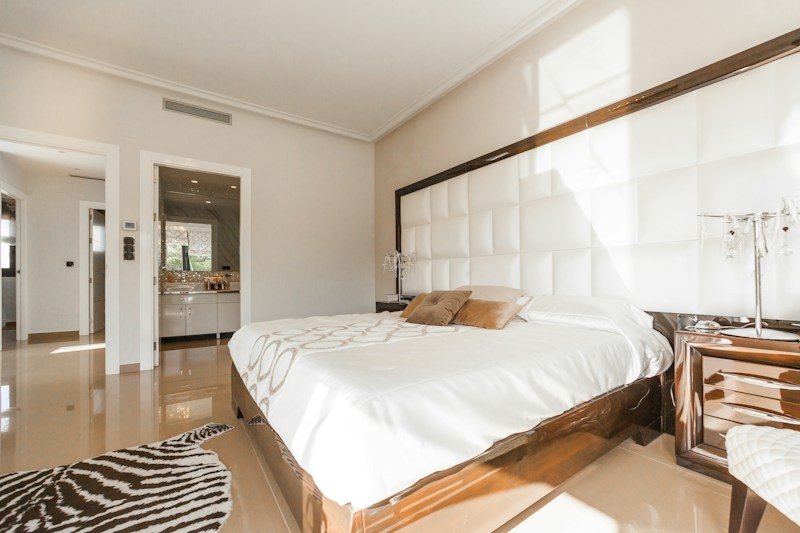
Hostel Hacks I Wish I Knew Sooner
Book directly if you're staying more than 3 nights. Many hostels offer 10-15% off if you book direct instead of through Hostelworld or Booking.com. Call or email them before you arrive.
Choose a bottom bunk if possible. Top bunks are harder to get in and out of, especially at night. The bottom bunk gives you a seat during the day and more space to organize your stuff.
Bring a sleep sack. Even if the hostel provides sheets. Some hostels don't change them as often as you'd hope. A lightweight sleep sack adds 200 grams to your bag and saves you from questionable hygiene.
Don't book more than 2 nights upfront. If you hate the hostel, you're not stuck. If you love it, you can extend. Flexibility is the solo traveler's superpower.
Use hostel common rooms during the day. Even if you're not socializing, being in the common room increases the chances of random encounters. People who stay in their dorms with the curtain closed miss half the point of hostels.
Look for hostels with free breakfast. Even if it's just toast and jam, it saves you $5-10 per day. Over a week, that's a free meal you can spend on something better.
When to Skip Hostels Altogether
Hostels are great, but they're not always the right choice. Here's when I'd recommend booking something else:
- You're on a work trip and need reliable sleep and internet
- You're a couple who wants privacy
- You're sick or recovering from illness
- You've been traveling for more than 3 weeks and feel exhausted (hostel fatigue is real)
- You're in a city where hostels are as expensive as hotels (looking at you, London and New York)
Knowing when not to stay in a hostel is just as important as knowing how to pick a good one. Our Morocco itinerary guide is a good example — in Morocco, riads (traditional guesthouses) are often cheaper and more comfortable than hostels.

Frequently Asked Questions
Most are, but always book female-only dorms, read recent reviews from other women, and check the location on Google Maps street view before booking. Hostels with 24-hour reception and key-card access are safest. Avoid hostels with reviews mentioning staff harassment or poor security.
Expect to pay $20-40 per night in Southeast Asia and South America, $30-50 in Southern Europe, $40-70 in Northern Europe and the US, and $10-20 in South Asia and parts of Africa. Prices have risen about 20% since 2022 in most regions.
Hostels offer shared dormitories and common spaces designed for socializing. Hotels offer private rooms focused on privacy and service. Many hostels now also offer private rooms, blurring the line — but the social atmosphere remains the main differentiator.
In peak season (summer in Europe, Christmas everywhere), book at least a week ahead. In off-season, booking 1-2 days ahead is usually fine. I never book more than 2 nights at a new hostel in case I want to leave.
Check the mattress seams and corners before unpacking. Look for small dark spots or blood stains. Read recent reviews mentioning bedbugs. Keep your bag off the bed — use a luggage rack or locker. If you see signs of bedbugs, leave immediately and ask for a refund.
Absolutely. You control how social you want to be. Use headphones when you need space, sleep in a curtained pod bed if available, and remember that even a small interaction at breakfast counts as socializing. I'm introverted and hostels are still my preferred accommodation.
Turn on the main light at night, take phone calls in the room, pack loudly before sunrise, eat smelly food in the dorm, or assume something left on a bed is abandoned. Also: don't bring strangers back without checking hostel policy first.
Yes, especially if you book private rooms or choose hostels marketed as "boutique" or "flashpacker" hostels. The average hostel guest age is creeping up — in 2026, many travelers in their 30s and 40s choose hostels for the social vibe, not just the price. For more travel advice across age groups, check out our best travel tips guide.
Final Verdict: Should You Stay in Hostels?
Here's my honest take after 60+ hostel stays across 22 countries:
Hostels are not for everyone. They're not for every trip. And they're definitely not for every night of your trip. But when they work — when you find that perfect hostel with the right vibe, the right people, and the right location — they offer something no hotel can replicate. A sense of shared adventure. A built-in social life. The feeling that you're part of something, even when you're traveling alone.
I've had nights in hostels that I'll remember for the rest of my life. And I've had nights where I lay awake thinking about the hotel room I could have booked for $30 more. Both are part of the experience.
The key is knowing what you're signing up for, choosing wisely, and giving yourself permission to switch to a hotel when you need a break. Hostels are a tool in your travel kit, not an identity.
Book the hostel. But pack the earplugs. And never forget the flip-flops.
If you're planning your first hostel stay, start with a highly-rated social hostel in an easy city like Lisbon, Barcelona, or Chiang Mai. Book two nights. See how it feels. If you hate it, switch to a hotel. If you love it — well, you just unlocked a whole new way to travel the world.
For more detailed advice, check out Hostelworld's blog for hostel-specific tips or Lonely Planet's hostel guide for expert recommendations. And if you want more honest travel content like this, explore our complete travel tips collection.
Have you had a memorable hostel experience — good or bad? Share it in the comments below, or tag @mortraveling on Instagram. I read every one.


